

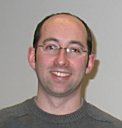
 Gary D. Bader
· 4 previous affiliations
- University of TorontoSince 2006
- Full Professor · Since 2006
- Ph.D., Biochemistry (Computational Biology) · 1998–2002
- Post-doctoral Fellow · 2002–2006
- Ph.D. Student · 1998–2002
- McGill University1993–1997
- B.Sc., Biochemistry · 1993–1997
Research Overview
Gary D. Bader focuses on computational biology and systems biology, developing network analysis methods and open-source software to interpret complex genomics data. His trajectory spans the creation of foundational biological pathway databases to the application of single-cell and spatial transcriptomics for understanding tissue ecosystems. Currently, his research investigates the integration of large language models with single-cell foundation models to map cellular mechanisms in development and disease.
Research Trajectory
In the early 2000s, work began with foundational contributions to the modeling and storage of biomolecular networks. He introduced BIND - The Biomolecular Interaction Network Database (2001), which provided a comprehensive data model for storing interactions, molecular complexes, and pathways to enable graph-theoretic data mining. Building on this infrastructure, he developed An automated method for finding molecular complexes in large protein interaction networks (2003), applying novel graph clustering algorithms to the rapidly growing wealth of proteomics data to systematically identify functional modules.
By 2010, the focus expanded significantly into pathway analysis, data standardization, and the mapping of genetic landscapes. He contributed to The Genetic Landscape of a Cell, a genome-scale project that mapped millions of gene-gene pairs in yeast to reveal functional cross-connections and delineate specific biological pathways. To make such complex, integrated data accessible for hypothesis generation, he participated in creating The GeneMANIA prediction server: biological network integration for gene prioritization and predicting gene function. Addressing the analytical challenge of overlapping pathways in large datasets, he directed the development of Enrichment Map: A Network-Based Method for Gene-Set Enrichment Visualization and Interpretation. This tool advanced the broader area of Resolving Redundancy in Biological Pathway and Sequence Analysis by grouping overlapping pathways into intuitive functional clusters. Concurrently, he helped establish critical interoperability frameworks through The BioPAX community standard for pathway data sharing.
In the late 2010s, the research shifted toward single-cell resolution and systems genomics. He collaborated on Single cell RNA sequencing of human liver reveals distinct intrahepatic macrophage populations (2018), which identified novel resident macrophages and contributed to the research direction of Preserving Fragile Cell States in Single Cell Genomics. He also led research on Multi-scale systems genomics analysis predicts pathways, cell types and drug targets involved in normative human cognition variation (2019), bridging genome-wide association studies with functional omics to identify genetic drivers of cognitive performance and nonverbal reasoning.
Recognizing the need to extract biological knowledge from unstructured text to support these systems-level analyses, a parallel line of research emerged in biomedical natural language processing (NLP) and information extraction. He introduced multi-task learning and variational dropout techniques in Towards reliable named entity recognition in the biomedical domain (2019) to improve model generalization. This was followed by DeCLUTR: Deep Contrastive Learning for Unsupervised Textual Representations (2021) and A flexible search system for high-accuracy identification of biological entities and molecules (2021), which supported the broader field of Entity Normalization for Interoperable Knowledge Graphs. He further advanced this domain with A sequence-to-sequence approach for document-level relation extraction (2022), proposing an end-to-end generative model to extract complex entities and relationships across entire documents without relying on multi-stage pipelines.
Returning to tissue biology and spatial architecture, his work from 2020 onward has explored fundamental developmental mechanisms and the spatial organization of cells. He oversaw Control of tissue development by cell cycle dependent transcriptional filtering (2020), which modeled how cell cycle duration physically limits the expression of long genes, thereby controlling cell diversity. He synthesized the impact of high-resolution mapping in hepatology in Unraveling the Complexity of Liver Disease One Cell at a Time (2022). To overcome the high costs of spatial transcriptomics, he developed the BLEEP framework in Spatially Resolved Gene Expression Prediction from Histology Images via Bi-modal Contrastive Learning (2023), enabling the prediction of spatial gene expression directly from standard H&E histology images. He also continued his long-standing commitment to data standards, detailing updates to the COMBINE initiative and the SED-ML specification in Specifications of standards in systems and synthetic biology: status, developments, and tools in 2024.
Most recently, the trajectory has integrated large language models with single-cell data to enhance predictive biology. He co-authored Towards Applying Large Language Models to Complement Single-Cell Foundation Models (2025), introducing a multimodal framework that fuses gene expression data with LLM embeddings to improve cell-type classification. Concurrently, he participated in creating A single-nucleus and spatial transcriptomic atlas of the COVID-19 liver reveals topological, functional, and regenerative organ disruption in patients (2025), further applying spatial and single-cell techniques to understand complex disease pathology and multi-organ dysfunction.
Current Directions
Recent work investigates the intersection of large language models and single-cell genomics to enhance the predictive power of biological foundation models. By fusing gene expression data with the parametric knowledge embedded in LLMs, this research aims to improve cell-type classification and disease prediction, bridging the gap between unstructured biological literature and quantitative single-cell data. Additionally, ongoing efforts focus on constructing comprehensive single-nucleus and spatial transcriptomic atlases to map topological and functional disruptions in complex organs, particularly in the context of severe systemic infections and chronic diseases.
Profile updated
Loading new papers…
Other researchers whose papers cluster into the same research directions — a proxy for overlapping technical interests and shared intellectual neighborhoods.
See something wrong? Report a mistake