

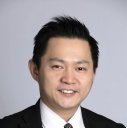
 Jeremy Yuen-Chun Teoh
· 1 previous affiliation
- Chinese University of Hong KongSince 2022
- Associate Professor · Since 2022
Research Overview
Jeremy Yuen-Chun Teoh focuses on urological oncology, minimally invasive surgical techniques, and the clinical management of bladder and upper tract urothelial cancers. His trajectory spans the evaluation of novel diagnostic biomarkers and the global standardization of surgical procedures like en bloc resection. Recently, his work investigates the integration of artificial intelligence into surgical video analysis and the optimization of immunotherapies for urothelial carcinoma.
Research Trajectory
His early research in 2014 examined prognostic indicators in prostate cancer, specifically analyzing the Prognostic Significance of Time to Prostate-Specific Antigen (PSA) Nadir and Its Relationship to Survival Beyond Time to PSA Nadir for Prostate Cancer Patients With Bone Metastases After Primary Androgen Deprivation Therapy. Continuing in the domain of prostate cancer diagnostics, he evaluated the clinical utility of the Prostate Health Index in 2018, demonstrating in Routine use of Prostate Health Index (PHI) reduces majority of unnecessary prostatic biopsies in Asian men: A prospective study in 2795 men seen at Urology clinics that the biomarker could significantly reduce unnecessary biopsies.
By 2020, his focus expanded significantly into the surgical management of bladder cancer. He contributed to global clinical standardization by helping develop An International Collaborative Consensus Statement on En Bloc Resection of Bladder Tumour Incorporating Two Systematic Reviews, a Two-round Delphi Survey, and a Consensus Meeting. This effort aligns with his broader contributions to the area of Evaluating the Global Generalizability of Localized Clinical Cohorts. The following year, he evaluated non-invasive diagnostic alternatives, publishing Diagnostic Accuracy of Novel Urinary Biomarker Tests in Non–muscle-invasive Bladder Cancer: A Systematic Review and Network Meta-analysis. This comprehensive review utilized methodologies central to the research direction of Comparing Interventions Without Head to Head Trials to identify tests that could reduce the need for frequent cystoscopies.
In 2022 and 2023, he provided extensive clinical perspectives on disease progression, detailing the Recurrence mechanisms of non-muscle-invasive bladder cancer — a clinical perspective. He also co-authored a comprehensive primer simply titled Bladder cancer, which outlined the distinct molecular subtypes, mutational burdens, and pathogenic pathways differentiating non-muscle-invasive from muscle-invasive disease. Concurrently, he investigated focal therapies for localized prostate cancer, examining the Effect of Focal vs Extended Irreversible Electroporation for the Ablation of Localized Low- or Intermediate-Risk Prostate Cancer on Early Oncological Control.
His research in 2024 advanced into large-scale clinical trials and upper tract urothelial carcinoma (UTUC). He directed a multicenter study demonstrating that Chronic renal impairment predicts oncological outcomes in UTUC patients undergoing RNU, establishing baseline renal health as a critical factor for risk stratification. In bladder cancer immunotherapy, he led research showing that Young age and adequate BCG are key factors for optimal BCG treatment efficacy in non-muscle-invasive bladder cancer, revealing that older patients can achieve optimal protection against disease progression provided they receive an adequate treatment course. Further cementing the role of en bloc resection, he published the results of Transurethral En Bloc Resection Versus Standard Resection of Bladder Tumour: A Randomised, Multicentre, Phase 3 Trial, which demonstrated a significant reduction in recurrence rates. He also led a systematic review on Irreversible Electroporation for the Focal Treatment of Prostate Cancer: A Systematic Review, highlighting its safety and functional preservation.
In 2025, his focus on UTUC yielded further insights into surgical outcomes. He directed an analysis on the Influence of tumour location on the survival outcomes of upper tract urothelial carcinoma treated with radical nephroureterectomy, finding that while ureteral tumors progress more frequently, long-term survival remains similar to renal pelvis tumors. He also validated a new quality metric in Radical Nephroureterectomy Pentafecta as a Predictor of Upper Tract Urothelial Carcinoma Outcomes Following Radical Surgery, contributing to the broader area of Standardized Morbidity Grading for Clinical Outcomes. Continuing to shape clinical guidelines, he directed the Consensus statements from the Hong Kong Urological Association and the Hong Kong Society of Uro-Oncology on the management of muscle-invasive and advanced urothelial carcinoma. Exploring the mechanisms of immunotherapy, he led A cross-sectional study on the effects of intravesical BCG on urinary microbiota in bladder cancer patients, revealing how treatment reshapes the microbial environment to potentially amplify anti-tumor responses.
Recently, his collaborative efforts have extended into surgical artificial intelligence. He participated in the development of a Large-scale Self-supervised Video Foundation Model for Intelligent Surgery, designed to capture the dynamic spatiotemporal flow of procedures rather than relying on static images. Looking ahead to 2026, he contributed to ProstaTD: Bridging Surgical Triplet from Classification to Fully Supervised Detection, a dataset establishing a benchmark for surgical action triplet detection in robot-assisted prostatectomy, intersecting with the research direction of Articulated Robotic Arms for Dexterous Minimally Invasive Surgery. Finally, he participated in a systematic review evaluating whether Clinical complete response as a surrogate for pathological response in bladder cancer: a systematic review and meta‐analysis is reliable, highlighting the urgent need for more accurate biomarkers in bladder-sparing strategies.
Current Directions
The most recent papers in the evidence address the intersection of urological oncology, surgical quality metrics, and artificial intelligence. Recent work investigates the urinary microbiome's role in mediating the immune response to intravesical BCG therapy, seeking to understand how microbial shifts and metabolic pathways enhance anti-tumor efficacy in bladder cancer. In parallel, research focuses on establishing robust surgical quality indicators, such as the "pentafecta" metric for radical nephroureterectomy, to better predict patient survival and recurrence in upper tract urothelial carcinoma. Additionally, collaborative efforts in surgical artificial intelligence focus on developing self-supervised video foundation models and comprehensive datasets for surgical action triplet detection, aiming to improve the spatiotemporal analysis and understanding of robot-assisted procedures.
Profile updated
Loading new papers…
Other researchers whose papers cluster into the same research directions — a proxy for overlapping technical interests and shared intellectual neighborhoods.
See something wrong? Report a mistake