


Abstract
This study evaluates the efficacy of a direct irrigation technique for subgingival plaque control in deep periodontal pockets. Twelve adult patients with pockets ≥ 4mm were treated using a specialized irrigation device (Pocket Irrigator PT-01) with either distilled water or a 1/30 diluted iodine solution. While clinical parameters like the gingival index showed no immediate significant changes, microbiological analysis revealed a substantial reduction in total bacterial counts and a favorable shift in microbial composition for up to seven days. The results suggest that the mechanical flushing action of direct irrigation is a potent tool for managing subgingival microflora.
Introduction
Periodontal disease is primarily driven by subgingival plaque—complex bacterial communities residing in the pockets between teeth and gingival tissue. A significant challenge in non-surgical periodontal therapy is the inability of standard oral hygiene tools, such as toothbrushes and floss, to reach depths exceeding 3mm. While chemical agents are available, their delivery into deep pockets remains problematic. This study investigates whether a direct, pulsating irrigation technique can effectively disrupt these deep-seated bacterial colonies and whether the addition of an antiseptic provides a measurable advantage over mechanical flushing alone.
Methodology
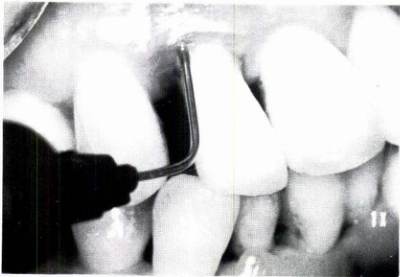
The study involved 12 patients exhibiting periodontal pockets of at least 4mm. The primary intervention utilized the "Pocket Irrigator PT-01," a device designed to deliver a pulsating jet of fluid at 2,000–3,000 pulses per minute.
 *[Effect of subgingival plaque control by a direct irrigation technique.
- The clinical and microbiological changes after the irrigation with distilled water or 1/30 diluted iodine complex solution., page 2](/pdf/art_b87a6a7cd1214cc8b9ba73f80c1a6c70#page=2)*
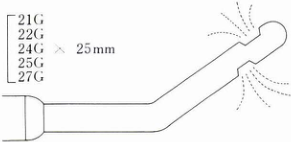
A critical component of this technique was the use of a specialized 21-gauge needle. Unlike standard needles with terminal openings, this design featured side-ports to ensure lateral fluid movement, preventing the accidental forcing of bacteria or debris deeper into the periodontal tissues.
 *[Effect of subgingival plaque control by a direct irrigation technique.
- The clinical and microbiological changes after the irrigation with distilled water or 1/30 diluted iodine complex solution., page 3](/pdf/art_b87a6a7cd1214cc8b9ba73f80c1a6c70#page=3)*
Pockets were irrigated for 30 seconds with either distilled water or a 1/30 diluted povidone-iodine solution. Researchers monitored clinical markers (Plaque Index, Gingival Index, Probing Depth) and microbiological markers at baseline, immediately post-irrigation, and at intervals of 1 hour, 1 day, and 1 week. Bacterial samples were analyzed via dark-field microscopy to quantify total load and categorize morphology, specifically focusing on motile rods and spirochetes associated with active disease.
Results and Discussion
Mechanical vs. Chemical Efficacy
A key finding was that distilled water performed remarkably similarly to the iodine solution in reducing bacterial load. This indicates that the mechanical debridement—the "power washing" effect of the pulsating jet—is the primary mechanism of action for short-term bacterial reduction.
Microbiological Shifts
Total bacterial counts dropped significantly from baseline levels (approx. $10^7$–$10^8$ cells/ml) to roughly $10^6$ cells/ml immediately following irrigation. In the iodine group, the proportion of harmful motile microorganisms plummeted from 29.4% to 6.7%. This suppression of "bad actors" remained significant for approximately 24 hours before a gradual return toward baseline levels began.
Clinical Lag
Despite the immediate microbiological improvements, clinical indices such as gingival redness and swelling did not show significant changes within the one-week observation period. This suggests a "biological lag," where the inflammatory response of the host tissue takes longer to resolve than the bacterial population takes to be disrupted.
Conclusion
Direct subgingival irrigation is an effective method for reducing bacterial load and altering the microbial composition of deep periodontal pockets for up to seven days. However, the rapid rebound of motile bacteria after 24 hours suggests that irrigation should be viewed as a frequent maintenance tool rather than a one-time cure. For optimal therapeutic outcomes, this technique should supplement professional scaling and root planing to address hardened calculus that irrigation alone cannot remove.
Summary updated