

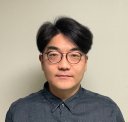
 Won-Ki Jeong
· 4 previous affiliations
- Korea UniversitySince 2020
- Full Professor · Since 2020
- Associate Professor · 2011–2020
- Harvard University2008–2011
- Postdoc · 2008–2011
- University of Utah2003–2008
- PhD student · 2003–2008
Research Overview
Won-Ki Jeong focuses on large-scale data visualization, connectomics, and computer vision. Early work concentrated on developing interactive systems for exploring and segmenting petascale electron microscopy datasets to map neural circuits. More recently, this trajectory has expanded to include immersive visualization toolkits, end-to-end instance segmentation algorithms, and digital platforms for sharing medical pathology data.
Research Trajectory
Beginning in the late 2000s, Jeong’s research primarily addressed the computational bottlenecks associated with connectomics—the effort to map neural connectivity using high-resolution electron microscopy (EM). Because modern electron microscopes produce datasets ranging from tens of terabytes to over a petabyte, traditional visualization and segmentation techniques were insufficient. As a lead author, Jeong developed novel visual computing systems to handle this scale. A foundational contribution during this period was Scalable and Interactive Segmentation and Visualization of Neural Processes in EM Datasets (2009), which introduced NeuroTrace. This system combined semi-automatic multiphase level set segmentation with specialized volume rendering, allowing neuroscientists to reconstruct complex neural processes interactively.
Parallel to 3D volume rendering, Jeong also investigated the challenges of interacting with massive 2D images. In Display-aware image editing (2011), Jeong led the design of editing and viewing tools that explicitly accounted for display resolution. By processing only the visible data and adaptively interpolating viewing parameters like brightness and contrast, this approach enabled efficient interaction with multi-image panoramas and high-resolution medical data that far exceeded standard display capabilities.
As EM datasets continued to grow, Jeong contributed to architectural solutions for rendering continuous data streams. This work included the development of scalable multi-resolution virtual memory architectures that decoupled data acquisition from 3D representation. As a co-author on Interactive Volume Exploration of Petascale Microscopy Data Streams Using a Visualization-Driven Virtual Memory Approach (2012), Jeong helped design a system that avoided pre-computing rigid structures like octrees, instead restricting computations to a small subset of the data to maintain interactive frame rates on petavoxel volumes.
By the mid-2010s, Jeong’s expertise in large-scale neuroscience data facilitated participation in massive biological reconstruction projects. This is evidenced by contributions as a collaborating author on Whole-brain serial-section electron microscopy in larval zebrafish (2017), a large-scale effort to map the myelinated axon "projectome" of a complete vertebrate brain at sub-nanoscale resolution.
In the late 2010s, Jeong’s visualization research expanded beyond desktop environments into augmented and virtual reality. As a co-author of DXR: A Toolkit for Building Immersive Data Visualizations (2019), Jeong contributed to a Unity-based platform designed to lower the barrier to entry for creating immersive data visualizations, allowing developers to map data attributes to geometric properties without requiring deep expertise in 3D graphics programming.
Entering the 2020s, Jeong’s focus broadened to include core computer vision algorithms. A representative work from this period is Reinforced Coloring for End-to-End Instance Segmentation (2021). As a second author, Jeong helped develop iterative methods to separate individual objects of interest in images, specifically addressing the topological errors—such as merging or splitting—that frequently plague feed-forward segmentation networks.
Current Directions
The most recent papers in the evidence, published in 2021, indicate a dual focus on advanced computer vision algorithms and medical informatics infrastructure. Recent algorithmic work investigates end-to-end instance segmentation, specifically exploring how iterative, knowledge-based properties can be used to extract objects without relying on heavy post-processing.
Concurrently, Jeong has participated in the development of digital pathology platforms designed to support artificial intelligence research. This applied work addresses the growing demand for high-quality medical data by building sustainable infrastructures to share thousands of histologically confirmed tumor slides across multiple institutions. Together, these directions highlight an ongoing commitment to solving the technical challenges of processing, segmenting, and distributing massive visual datasets in both biological and clinical contexts.
Profile updated
Loading new papers…
Other researchers whose papers cluster into the same research directions — a proxy for overlapping technical interests and shared intellectual neighborhoods.
See something wrong? Report a mistake