

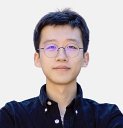
 Rongguang Wang
· 5 previous affiliations
- Oracle (United States)Since 2024
- Researcher · Since 2024
- Center for AI and Data Science for Integrated Diagnostics (AI2D)2019–2024
- Research Scientist · 2019–2024
- University of Pennsylvania2019–2024
- PhD student · 2019–2024
- Research Scientist · 2023
- Cornell University2017–2018
- Master's degree, Electrical and Computer Engineering · 2017–2018
Research Overview
Rongguang Wang focuses on medical image analysis, causal inference, and domain adaptation to improve the robustness of deep learning models across diverse clinical environments. His work addresses the challenges of data heterogeneity by developing frameworks that harmonize multi-source data and investigate causal relationships between biological variables. Recently, he has explored structural causal models for understanding genotype-phenotype interactions in neurological disorders.
Research Trajectory
Wang’s research arc centers on mitigating the challenges posed by heterogeneous medical data, initially focusing on imaging and later expanding to clinical genetics. In 2021, he developed a novel method for harmonizing multi-source medical imaging data, detailed in Harmonization with Flow-Based Causal Inference. By explicitly modeling the causal relationships between known confounders—such as acquisition site, age, and sex—and imaging features, the approach leverages normalizing flows to generate consistent counterfactual data. This methodology advances the research direction of Preserving Biological Signals in Data Harmonization while contributing to the broader area of Robust Deep Learning for Heterogeneous Medical Imaging. Furthermore, by generating reliable representations from constrained datasets, the work intersects with the area of Learning from Limited Data in Specialized Medical Domains and utilizes techniques relevant to the research direction of Automated Causal Discovery from Observational Data.
Building on the challenge of applying artificial intelligence to disparate clinical datasets, Wang introduced a framework for domain adaptation in Embracing the disharmony in medical imaging: A Simple and effective framework for domain adaptation (2022). Rather than forcing disparate data into a single distribution, this approach uses auxiliary tasks, such as age or gender prediction, to guide model adaptation across different scanners and patient populations. This framework demonstrated improved accuracy and robustness for classifying conditions like Alzheimer's disease and schizophrenia, directly supporting work in the area of Overcoming Cross-Institutional Domain Shift in Medical AI and addressing challenges in the research direction of Hyperparameter Sensitivity in Domain Adaptation and Transfer Learning.
In 2023, Wang collaborated on research expanding these causal methodologies to clinical genetics. The paper Investigating Causality Between Genotype And Clinical Phenotype In Neurological Disorders Using Structural Causal Model and Normalizing Flow formulates the relationship between genetic changes and phenotypical outcomes as a causal inference problem. By building upon structural causal models parameterized by deep networks, the research enables counterfactual queries to investigate causation rather than mere correlation in neurological disorders.
Current Directions
The most recent papers in the evidence address the intersection of causal deep learning and clinical genetics. Specifically, current work investigates how structural causal models parameterized by deep networks can be used to perform counterfactual queries, moving beyond simple correlations to establish causation between genotypes and clinical phenotypes. This suggests an ongoing focus on applying advanced causal inference techniques to complex biological and neurological datasets, ensuring that deep learning models capture underlying mechanisms rather than superficial data artifacts.
Profile updated
Loading new papers…
Other researchers whose papers cluster into the same research directions — a proxy for overlapping technical interests and shared intellectual neighborhoods.
See something wrong? Report a mistake