

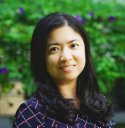
 Juan Helen Zhou
· 8 previous affiliations
- Duke-NUS Medical SchoolSince 2011
- Associate Professor · Since 2019
- Assistant Professor · 2011–2018
- National University of SingaporeSince 2011
- Director · Since 2022
- Associate Professor · Since 2020
- Associate Professor · 2019–2022
- Assistant Professor · 2011–2018
- Principal Investigator · 2011–2013
- Researcher · 2011
- Post-doctoral · 2008–2010
- University of California, Berkeley2008–2010
- Postdoc · 2008–2010
- Postdoc · 2007–2008
- Nanyang Technological University2000–2007
- PhD, Neuroimaging · 2004–2007
- Undergrad student · 2000–2003
Research Overview
Juan Helen Zhou focuses on multimodal neuroimaging, the organization of brain networks, and the neural mechanisms underlying cognitive aging and neurodegeneration. Her trajectory spans from biophysical modeling of microstructural tissue damage to mapping the collapse of functional segregation in aging and stroke. Recently, her focus has expanded to developing multimodal foundation models and deep learning frameworks that unify structural and functional brain data for clinical prediction.
Research Trajectory
Zhou’s early research established a foundation in Modelling the variability of brain structures, activation, and connectivity. By the late 2010s, she advanced the research direction of Resolving Microstructural Tissue Damage from Fluid Contamination. In Distinct white matter microstructural abnormalities and extracellular water increases relate to cognitive impairment in Alzheimer’s disease with and without cerebrovascular disease, her lab utilized free water imaging to separate tissue damage from fluid buildup in the brain's white matter. This work contributed to the broader areas of Multi-Compartment Biophysical Modeling for Diffusion MRI and Skeletonized Alignment for Voxel-Wise White Matter Analysis, revealing that patients with "pure" Alzheimer's exhibit hidden vascular-related fluid increases that contribute to cognitive decline.
Her focus concurrently expanded to the macro-scale organization of the brain, particularly the research direction of The Collapse of Functional Segregation in the Human Brain. In Longitudinal Changes in the Cerebral Cortex Functional Organization of Healthy Elderly, she demonstrated that healthy aging causes a global breakdown in modular organization, blurring specialized networks responsible for high-level cognition. She also participated in collaborative research linking these structural and functional changes to clinical outcomes. This included investigating how Brain free‐water increases mediate the association of blood cardiovascular biomarkers with longitudinal cognitive decline in prodromal and clinical dementia, and examining how the Degeneration of structural brain networks is associated with cognitive decline after ischaemic stroke, showing that cognitive decline post-stroke is tied to the widespread degradation of structural covariance networks over time.
As deep learning transformed neuroimaging, Zhou led the development of sophisticated decoding and predictive models. In Seeing Beyond the Brain: Conditional Diffusion Model with Sparse Masked Modeling for Vision Decoding, she introduced MinD-Vis, a framework combining self-supervised pre-training with a latent diffusion model to reconstruct high-quality, semantically accurate images from fMRI activity. To efficiently adapt these large-scale models to low-resource fMRI tasks without distorting the learned feature space, she developed Scaffold Prompt Tuning (ScaPT) in Prompt Your Brain: Scaffold Prompt Tuning for Efficient Adaptation of fMRI Pre-trained Model.
Concurrently, her lab applied deep learning to extract clinical biomarkers from routine imaging. She directed work on Deep-learning-derived neuroimaging biomarkers of sarcopenia as predictors of outcome in endovascular thrombectomy in large vessel occlusion acute ischemic stroke, demonstrating that automated muscle volume metrics from CT scans serve as strong predictors of functional recovery. Returning to cognitive aging, she investigated how the Rate of brain aging associates with future executive function in Asian children and older adults, applying brain-age models to show that the pace of brain maturation and aging predicts cognitive performance across the lifespan. Further exploring the physical-cognitive link, she authored Higher handgrip strength is linked to higher salience ventral attention functional network segregation in older adults, revealing that physical strength correlates with the functional segregation of higher-order attention networks rather than just motor networks.
Most recently, Zhou has focused on building robust foundation models for brain dynamics. She introduced Brain-JEPA: Brain Dynamics Foundation Model with Gradient Positioning and Spatiotemporal Masking, which predicts abstract brain states in a latent space rather than reconstructing noisy signals, achieving high generalizability across demographic groups. In Brain Harmony: A Multimodal Foundation Model Unifying Morphology and Function into 1D Tokens, she proposed a unified architecture that fuses structural (sMRI) and functional (fMRI) data, bridging the historical divide between these modalities. She has also addressed broader machine learning challenges in medical imaging, such as the geometric complexities of continuous target variables in Improve Representation for Imbalanced Regression through Geometric Constraints, and contributed to SupReMix: Supervised contrastive learning for medical imaging regression with mixup, a framework that leverages contrastive learning to improve representation in medical image regression.
Current Directions
Zhou's most recent work investigates the development of multimodal foundation models for neuroimaging. A major focus is unifying structural morphology and functional brain dynamics into cohesive architectures, moving beyond models that specialize in only a single modality. Her lab is actively exploring self-supervised representation learning, latent space prediction, and prompt-tuning strategies to efficiently adapt large-scale models to the often data-limited domain of functional MRI. Alongside these architectural advances, she continues to address fundamental machine learning challenges in medical imaging, such as handling imbalanced regression for continuous clinical variables and developing robust contrastive learning frameworks to extract predictive biomarkers for cognitive and physical health outcomes.
Profile updated
Loading new papers…
Other researchers whose papers cluster into the same research directions — a proxy for overlapping technical interests and shared intellectual neighborhoods.
See something wrong? Report a mistake