

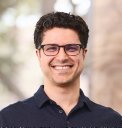
 Hani Goodarzi
· 9 previous affiliations
- Tahoe Therapeutics (formerly Vevo)Since 2022
- Co-Founder · Since 2022
- University of California, BerkeleySince 2022
- Associate Professor · Since 2022
- University of California, San FranciscoSince 2016
- Associate Professor · Since 2022
- Professor · 2016–2022
- Arc Research InstituteSince 2023
- Core Investigator · Since 2024
- Associate Professor · Since 2023
- Therna BiosciencesSince 2025
- Co-Founder · Since 2025
- Amplify PartnersSince 2026
- Venture Partner · Since 2026
- Rockefeller University2012–2016
- Postdoc · 2012–2016
- Princeton University2006–2010
- PhD, Molecular Biology · 2006–2010
- University of Tehran2002–2006
- B.Sc., Biotechnology · 2002–2006
Research Overview
Hani Goodarzi focuses on computational genomics, post-transcriptional gene regulation, and the evolutionary dynamics of cancer progression. His trajectory bridges high-throughput experimental biology with deep learning to uncover hidden regulatory programs driving metastatic and neurodegenerative diseases. Currently, his research emphasizes the development of multimodal foundation models and causal inference frameworks for liquid biopsy and genomic sequence analysis.
Research Trajectory
Goodarzi's early research established a foundation in mapping the complex regulatory landscapes of cancer. He explored the evolutionary dynamics of metastasis, integrating computational and experimental strategies in Charting the “unknown unknowns” of cancer progression to reveal previously hidden regulatory programs. Building on this focus on cancer cell fitness, his work investigated translational control mechanisms. In Revealing molecular pathways for cancer cell fitness through a genetic screen of the cancer translatome, he and his collaborators utilized a genome-wide CRISPRi screen to identify over 600 genetic interactions that sustain the oncogenic activity of the translation initiation factor eIF4E. This work demonstrated eIF4E's role in controlling Tfeb-mediated autophagy, a survival response triggered by mitochondrial proteotoxic stress.
As his research progressed into 2023, Goodarzi increasingly focused on the non-coding genome and post-transcriptional regulation, developing specialized machine learning models to decode these systems. He contributed to the area of Mitigating High Degree Node Interference in Biological Networks through the development of pyPAGE, an information-theoretic tool detailed in Addressing biases in gene-set enrichment analysis: a case study of Alzheimer’s Disease. By mitigating the bias of over-studied genes, this framework uncovered distinct regulatory signatures in neurons and glia that predict patient survival more accurately than traditional clinical metrics. Concurrently, he investigated the mechanisms of RNA transport in Revealing the Grammar of Small RNA Secretion Using Interpretable Machine Learning, introducing ExoGRU, a deep-learning model that predicts small RNA secretion based on primary sequence, and utilizing exoCLIP to identify protein shippers like RBM24. His group also developed integrative platforms to identify hidden cancer drivers in the non-coding genome, such as the enhancer regulating SF3A1—a master switch for reprogramming splicing machinery—described in Integrative identification of non-coding regulatory regions driving metastatic prostate cancer. To support the growing computational demands of such genomic analyses, he co-developed a high-performance Rust-based toolkit in GIA: A genome interval arithmetic toolkit for high performance interval set operations, achieving significant speedups over existing industry standards.
In 2024, Goodarzi's laboratory advanced the systematic discovery of post-transcriptional regulatory pathways. Contributing to the research direction of Epitranscriptomic Switches for mRNA Stability and Decay, he introduced the SwitchSeeker pipeline in A systematic search for RNA structural switches across the human transcriptome. This approach combined computational modeling with high-throughput experiments to identify functional RNA structural switches, including one in the RORC gene that regulates immune cell differentiation by interacting with the cell's quality control machinery. Broadening the scope of RNA regulation, his team developed the Integrated Regulatory Interaction Map (IRIM) in Systematic identification of post-transcriptional regulatory modules, revealing how RNA-binding proteins act as multi-taskers to form functional modules that control distinct stages of an RNA's life cycle. This period also saw the application of deep generative AI to clinical diagnostics; in Deep generative AI models analyzing circulating orphan non-coding RNAs enable detection of early-stage lung cancer, he presented Orion, a multi-task variational auto-encoder that detects early-stage lung cancer with high sensitivity by analyzing tumor-secreted orphan non-coding RNAs (oncRNAs).
The most recent phase of Goodarzi's trajectory emphasizes the development of multimodal foundation models and causal inference frameworks for genomics. In A multimodal cell-free RNA language model for liquid biopsy applications, he led the development of Exai-1, a generative model pretrained on extensive blood sample datasets to denoise sparse cell-free RNA signals and improve cancer detection in rare diseases. Addressing the challenge of inferring directed relationships from observational single-cell data, he introduced CrossModal-CausalVAE in Multimodal Latent Causal VAE for Joint Inference of Gene Regulatory and Protein Interaction Networks. This variational autoencoder embeds a structural causal model with linear decoders to learn interpretable directed acyclic graphs across gene and protein modalities. Furthermore, he contributed to the advancement of genomic language models through his participation in dnaHNet: A Scalable and Hierarchical Foundation Model for Genomic Sequence Learning, which addresses the limitations of fixed tokenizers by proposing a hierarchical approach that preserves vital biological motifs like codons during sequence learning.
Current Directions
Recent work investigates the intersection of generative artificial intelligence and clinical genomics, with a particular focus on multimodal foundation models for liquid biopsy. The most recent papers in the evidence address the computational challenges of modeling highly sparse biological signals, such as cell-free RNA, to improve early-stage disease detection and synthetic data generation. Additionally, current research explores causal inference in single-cell biology, developing latent structural causal models to map directed gene regulatory and protein interaction networks from observational data. Another active theme involves advancing the architecture of genomic language models, specifically addressing the limitations of fixed tokenization to better capture long-range biological syntax and structural motifs in DNA sequences without incurring prohibitive computational costs.
Profile updated
Loading new papers…
Other researchers whose papers cluster into the same research directions — a proxy for overlapping technical interests and shared intellectual neighborhoods.
See something wrong? Report a mistake