

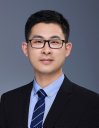
 Gongning Luo
· 2 previous affiliations
- Harbin Institute of TechnologySince 2012
- Full Professor · Since 2025
- Associate Professor · 2021–2024
- Lecturer · 2019–2021
- PhD student · 2014–2019
- MS student · 2012–2014
- East China Jiaotong University2008–2012
- Undergrad student · 2008–2012
Research Overview
Gongning Luo focuses on medical image analysis, deep learning for clinical diagnostics, and anatomical segmentation. Early research concentrated on direct volume estimation and segmentation of the left ventricle using cardiac MRI and echocardiography. More recent work addresses uncertainty estimation, label distribution learning, and self-attention mechanisms across diverse medical imaging modalities.
Research Trajectory
Luo's early research primarily addressed the automated assessment of cardiac function, specifically focusing on the left ventricle (LV). In 2016 and 2018, Luo led efforts to bypass traditional, labor-intensive segmentation steps by predicting clinical metrics directly from imaging data. This approach was formalized in the first-author paper Multi-Views Fusion CNN for Left Ventricular Volumes Estimation on Cardiac MR Images, which introduced an end-to-end deep convolutional neural network that fused multiple views of cardiac magnetic resonance (CMR) images to directly estimate LV volumes. Concurrently, Luo contributed as a second author to generative approaches for 3D echocardiography, such as VoxelAtlasGAN: 3D Left Ventricle Segmentation on Echocardiography with Atlas Guided Generation and Voxel-to-Voxel Discrimination. This work explored how atlas-guided generation could improve structural fidelity in medical image segmentation, intersecting with the broader research area of Reconciling Structural Fidelity and Sample Diversity in Generative Models.
By 2019, Luo's focus expanded to sequential imaging and tracking within the vascular system. As first author of A Deep Reinforcement Learning Framework for Frame-by-Frame Plaque Tracking on Intravascular Optical Coherence Tomography Image, Luo developed methods to track plaque continuously across intravascular optical coherence tomography frames. By formulating the tracking process as a sequential decision-making problem, this research addressed the challenges of maintaining consistency across sequential medical data, contributing to the research theme of Temporal Smoothing for Consistent Sequence Prediction.
In the early 2020s, Luo's trajectory shifted toward handling uncertainty, label ambiguity, and complex contextual priors across a wider variety of clinical domains. In 2022, Luo was the second author on Hematoma Expansion Context Guided Intracranial Hemorrhage Segmentation and Uncertainty Estimation, which incorporated prior clinical context regarding hematoma expansion to improve the segmentation of intracranial hemorrhages in non-contrast CT scans.
During this period, Luo also participated as a co-author in collaborative projects addressing ambiguous clinical annotations. For example, as third author on ULTRA: Uncertainty-Aware Label Distribution Learning for Breast Tumor Cellularity Assessment, Luo contributed to frameworks that treat tumor cellularity estimation not as a strict regression problem, but as a label distribution learning task that accounts for subjective assessment variations among multiple raters. This line of inquiry aligns with the broader research direction of Emergent Clinical Biomarkers in Weakly Supervised Learning. Additionally, Luo contributed to morphological assessment techniques, serving as fourth author on Position-Prior Clustering-Based Self-attention Module for Knee Cartilage Segmentation, which utilized self-attention mechanisms to capture long-range dependencies in MR images for osteoarthritis research.
Current Directions
The most recent papers in the evidence, published in 2022, indicate a focus on robust medical image analysis under conditions of uncertainty and limited receptive fields. Current directions involve developing uncertainty-aware frameworks that can gracefully handle ambiguous clinical labels—such as those caused by subjective multi-rater assessments in tumor cellularity. Furthermore, recent collaborative work investigates the integration of anatomical priors and self-attention mechanisms to improve the continuity and accuracy of segmenting complex structures, such as knee cartilage and intracranial hemorrhages. Across these domains, the overarching technical focus remains on bridging the gap between raw medical imaging data and reliable, clinically meaningful biomarkers.
Profile updated
Loading new papers…
Other researchers whose papers cluster into the same research directions — a proxy for overlapping technical interests and shared intellectual neighborhoods.
See something wrong? Report a mistake