

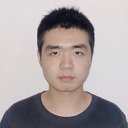
 Changdi Yang
· 5 previous affiliations
- XMotors.aiSince 2026
- Senior Machine Learning Engineer · Since 2026
- Northeastern University2019–2026
- PhD student · 2019–2026
- Research Scientist · 2026
- Snap Inc.2025
- Intern · 2025
- China Agricultural University2015–2019
- Undergrad student · 2015–2019
Research Overview
Changdi Yang focuses on model compression, efficient neural architectures, and real-time inference for edge computing. His early work optimized convolutional and hybrid vision models for resource-constrained medical and autonomous driving applications. Recently, he has concentrated on accelerating large language models, diffusion models, and state space models through advanced pruning, quantization, and sparse learning techniques.
Research Trajectory
Changdi Yang’s early research focused on optimizing vision models for edge devices, balancing computational efficiency with task performance in medical and autonomous driving contexts. He initially participated in developing An Interpretable CNN for the Segmentation of the Left Ventricle in Cardiac MRI by Real-Time Visualization, which replaced traditional dense layers with global average pooling to achieve a high Dice coefficient while providing real-time visual heatmaps for clinical explainability. Expanding on real-time constraints, he co-developed architectures combining self-attention blocks with lightweight convolutions in Towards Real-Time Segmentation on the Edge, utilizing latency models to search for efficient sub-networks suitable for mobile devices. To address the specific challenges of deploying these systems fairly, he introduced a neural architecture search method in Fast and Fair Medical AI on the Edge Through Neural Architecture Search for Hybrid Vision Models. By analyzing feature maps, this work demonstrated that combining convolutional networks with Vision Transformers (ViTs) improves both fairness and accuracy in edge medical applications. He further advanced ViT efficiency by formulating a novel compression method in Pruning Parameterization with Bi-level Optimization for Efficient Semantic Segmentation on the Edge, reducing the heavy computational burden of full-attention mechanisms to facilitate dense prediction tasks.
In 2024, his focus expanded to the compression of Large Language Models (LLMs) to enable their deployment on resource-constrained hardware. He contributed to the research direction of Mixed Precision Quantization via Sensitivity Aware Allocation through his work on EdgeQAT: Entropy and Distribution Guided Quantization-Aware Training for the Acceleration of Lightweight LLMs on the Edge. This research addressed the severe quality degradation typically seen when quantizing weights, activations, and KV caches below 8 bits, exploiting quantization-aware training to unlock faster inference. Concurrently, he explored the area of Dependency Alignment for Structural Model Pruning and investigated the broader challenge of Understanding the Performance Cliff in Model Pruning. This is evidenced by his collaborative work on Efficient Pruning of Large Language Model with Adaptive Estimation Fusion, which adaptively models substructure importance across complex decoder layers. He continued this trajectory with Toward Adaptive Large Language Models Structured Pruning via Hybrid-grained Weight Importance Assessment, introducing a method that uses attention mechanisms to fuse fine- and coarse-grained importance scores, thereby maintaining high model accuracy while achieving the hardware efficiency of structured pruning.
Parallel to his work on LLMs, he engaged with the optimization of generative models. Addressing the area of Scaling High Resolution Video Generation Beyond Memory Bottlenecks, he participated in designing a training-free framework in Fast and Memory-Efficient Video Diffusion Using Streamlined Inference. By slicing feature maps and reusing redundant computations between denoising steps, this approach significantly reduced peak memory requirements, allowing heavy models to run on consumer-grade GPUs. He also co-developed a framework to improve the generalization of image editing through enhanced in-context learning and unified language instructions in InstructGIE: Towards Generalizable Image Editing, leveraging an editing-shift matching strategy.
Most recently, his research has targeted the acceleration of temporal and state space architectures. He contributed to ALTER: All-in-One Layer Pruning and Temporal Expert Routing for Efficient Diffusion Generation, a framework designed to accelerate diffusion models without sacrificing image quality. Returning to medical applications, he collaborated on Advancing physiological time series reconstruction and imputation via mixture of receptive fields and experts fusion, which utilizes a diffusion-based framework with adaptive receptive fields to process signals like ECGs efficiently, replacing costly multiple-inference averaging with a fusion module. Finally, he participated in bringing high-performance State Space Models (SSMs) to mobile devices in Sparse Learning for State Space Models on Mobile, combining novel kernel sparsity patterns with architecture-aware compiler optimizations to achieve significant inference speedups over standard frameworks.
Current Directions
Recent work investigates the efficient deployment of next-generation sequence and generative models on resource-constrained hardware. The most recent papers in the evidence address the optimization of State Space Models (SSMs) and diffusion models for mobile and edge environments. This includes developing sparse learning frameworks with architecture-aware compiler optimizations to accelerate SSMs, as well as integrating temporal expert routing and layer pruning to reduce the computational overhead of diffusion generation. Additionally, ongoing research explores the application of these efficient temporal models to the reconstruction and imputation of physiological time series, utilizing adaptive mixture-of-experts architectures to handle varying signal periodicities with minimal computational cost.
Profile updated
| Paper | Venue | Year |
|---|---|---|
| Squat: Quant Small Language Models on the EdgeGitHubshawnricecake/ | arXiv | 2024 |
Loading new papers…
Other researchers whose papers cluster into the same research directions — a proxy for overlapping technical interests and shared intellectual neighborhoods.
See something wrong? Report a mistake